1310 PENDLETON STREET CINCINNATI, OH
| (513) 407-7077 | WED - SAT 11:30 AM - 4:00 PM

THE
ANNEX
GALLERY

Beginning September 16, 2026, I.T.I.N.E.R.A.T.I.O.N.S presents a photographic series by Juan-Sí González developed through his journeys along the roads of the American Midwest. Images initially made as practical records of an unfamiliar territory gradually became observations of spaces shaped, transformed, and ultimately abandoned by human presence. Signs, buildings, objects, and other remnants of material culture reveal ways of thinking, living, and inhabiting that have accumulated over time. Moving along the subtle boundary between documentary and fiction, González transforms these deserted environments into reinterpreted topographies that expose aspects of the social imaginary and invite reflection on the physical, ideological, and psychological landscapes we collectively occupy.


I have sometimes thought about what, for once, I might call “the oneiric substance,” if only to steer the question into less sinister territory: do dreams arise from experiences not fully processed, or are they autonomous energetic structures, detached from various material or temporal sources, that pass through the mind in search of the lost warmth of emotions? The question has its beauty.

In encounters with certain works of contemporary visual art, perception activates modes of association that situate aesthetic experience in territories where matter, gesture, and time intertwine. Elizabet Cerviño’s (Manzanillo, Cuba, 1986) exhibition The Rhythm of Resilience, recently presented at Gallery 114 in Ybor City, Florida, unfolds within this horizon.

Whenever I take part—as a curator or a viewer—in an exhibition bringing together several artists, seven women in this case, any number of men or any combination of the two sexes, I try to imagine the reasons, the implicit mystique that such a combination requires.
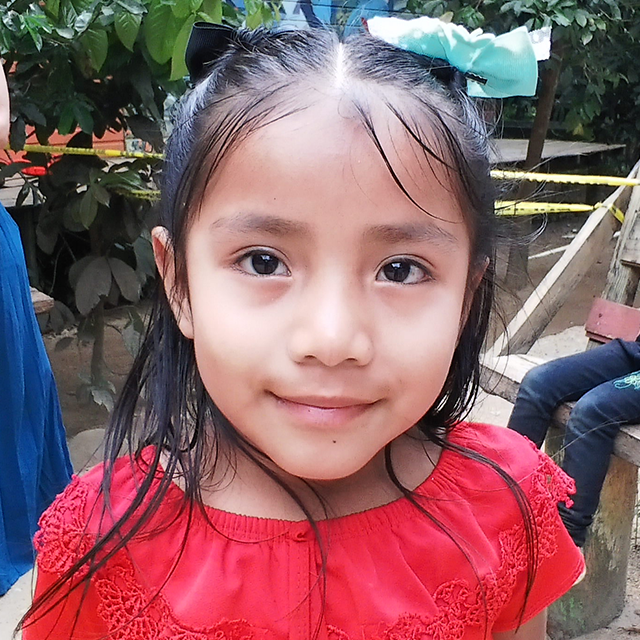
On Saturday, September 12th, The Annex Gallery brought together some forty people for an evening of celebration and fundraising dedicated to advancing the education of children living in some of the world's poorest communities. Jens G. Rosenkrantz and Kay Hurley, mother of Katie Hurley Wales, opened the gallery to host a benefit for Brighter Children, the organization led by Katie, under the...
Beyond I.T.I.N.E.R.A.T.I.O.N.S., at The Annex Gallery, The Most Merciful Thing in the World, by renowned American artist Trevor Paglen, was the first exhibition I visited in the current FotoFocus Biennial at its main venue. Open since October 1, it held its official reception only yesterday, on the 3rd, following a performance-lecture by Paglen.

2026 Members’ Exhibition
Beginning August 12, 2026, Collective Impressions brings together recent work by members of Tiger Lily Press at The Annex Gallery. Rooted in Cincinnati’s tradition of printmaking, the exhibition highlights the range of approaches sustained by this artist-run community, from established processes to contemporary experimentation. More than a group show, it offers a portrait of a studio culture built through exchange, technical knowledge, and collective practice, while affirming the vitality of print today.
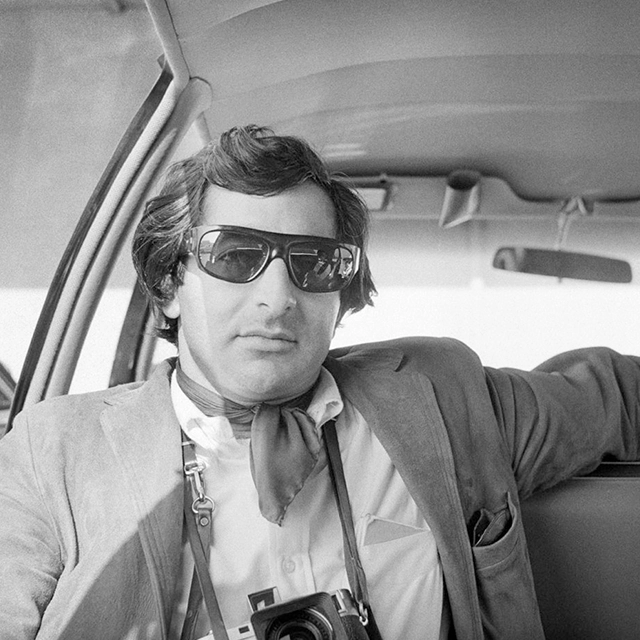
The Sound of Trust
Beginning July 15, 2026, The Sound of Trust presents a selection of photographs by Jim Marshall, the American photographer and photojournalist born in Chicago in 1936 and raised in San Francisco’s Fillmore District. Over a career spanning five decades, Marshall produced some of the most enduring images of twentieth-century music, working from an exceptional proximity to the artists he photographed, on stage, backstage, in studios, hotel rooms, prisons...

Thresholds. The Long Road Home
Although I am an avowed admirer of her solo work and have known her for nearly twenty-five years, I do not remember ever having spoken in person with Liudmila Velasco. About her work, about the weather, about how unbearable this or that artist can become. When I left the island, Liudmila was already practically an institution within Cuban women’s photography...